
Angwandi Workers Guide
Complete Nutrition & Health Calculator Guide for Field Angwandi Workers
Why Nutrition Matters for Angwandi Workers
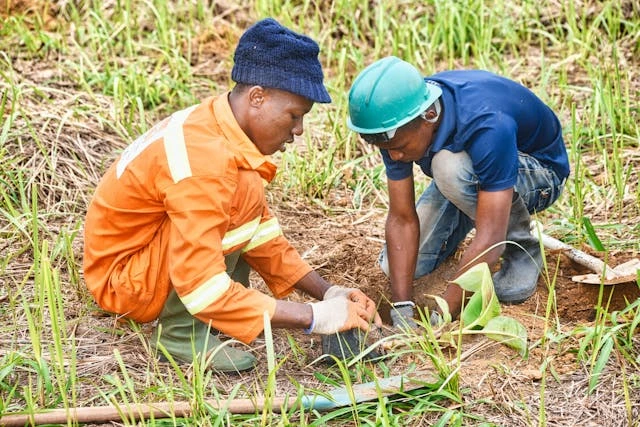
Those workers who are engaged in agricultural labor, rural development work, field work, and crop harvesting. These are among the most active members of the workforce. They spend most of their time in the sun, carry heavy loads, walk long distances, and every day they do repetitive work which uses a large amount of energy.
Yet despite the physical demands of their work, nutrition is one of the most overlooked aspects of their health and performance. Many Angwandi workers rely on guesswork when it comes to how much food they should eat, what nutrients they need, and whether their daily diet is actually supporting their hard work.
Due to their work, nutrition is the most effective factor for their health and performance. Many Angwandi workers rely on guesswork; they do not know how much food they should have to eat for the specific type of work, and they do not know how much and which nutrients they need.
The nutrition calculator is used as a powerful tool by which an Angwandi worker can get a complete guide and get complete details about their nutrition and food to improve their energy levels, health, and daily output.
Who Are Angwandi Workers?
Why Nutrition Matters for Angwandi Workers
- Farm workers engaged in farming activities and harvests
- Supervisors in charge of the irrigation process and crop protection
- Development workers working on rural farming projects
- Livestock attendants and workers on dairy farms
- Seasonal workers recruited for planting and harvesting periods
These Angwandi workers perform their tasks in the harsh weather conditions. Their daily energy consumption is higher than that of workers who are working in offices or at home, due to which they need to take care of their nutritional needs.
Understanding Calorie Needs for Physical Laborers
Determining the number of calories your body requires every day is the first step in the process of creating a nutrition program.
For Angwandi field workers, TDEE will be quite high since the workers here exhibit very high levels of physical activity. An average office-going individual requires a daily intake of about 2,000-2,200 calories, while the calorie consumption for an actively engaged field worker ranges between 2,800 and 4,000 based on several factors, including:
- Body weight and height: People who weigh more and/or stand tall require more calories
- Age: Younger workers require higher amounts of calories compared to older workers
- Gender: Male workers require more calories than women
- Physical activity: High levels of physical activity lead to increased calorie burn rate
- Weather conditions: Workers who are operating in hot temperatures burn more calories due to increased sweat production
Using a nutrition calculator, Angwandi workers can now easily determine their own TDEE with just a few keystrokes.
How to Use a Nutrition Calculator: Step-by-Step Guide
Using a nutrition calculator is simple. Here is how Angwandi workers can get started:
Step 1: Enter Your Basic Information
Open the nutrition calculator and enter your:
- Age
- Gender
- Height (in feet/inches or centimeters)
- Current body weight (in kg or pounds)
Step 2: Select Your Activity Level
This is the most important step for field workers. Most calculators offer activity options such as:
- Sedentary (little or no exercise)
- Lightly active (light work or exercise 1–3 days/week)
- Moderately active (moderate work 3–5 days/week)
- Very active (hard physical work 6–7 days/week)
- Extremely active (very hard physical labor every day)
Angwandi workers should select Very Active or Extremely Active depending on their daily workload.
Step 3: Set Your Goal
Select the objective you wish to attain:
- Weight maintenance: Eat according to your TDEE
- Weight loss: Eat less than your TDEE
- Weight or muscle gain: Eat more than your TDEE
The majority of the workers from Angwandi who do strenuous jobs will benefit from working on gaining or maintaining their weight.
Step 4: Review Your Results
The calculator will show you:
- Daily calorie requirement
- Recommended protein intake (grams per day)
- Recommended carbohydrate intake
- Recommended fat intake
- Hydration suggestions
Step 5: Plan Your Meals Around These Numbers
Always use these results to plan meals that meet the daily targets. You do not need to follow the complicated diet plan; just check the results and adjust the meal plan according to them.
Key Nutrients Every Angwandi Worker Needs
Beyond calories, there are specific nutrients that are critical for physical laborers:
1. Protein
Protein is vital for muscle repair. After a hard day of manual labor, the muscles sustain minor injuries that need to be repaired by proteins. An Augwandi worker must consume between 1.2 and 1.8 grams of protein per kg of body weight per day.
Sources of protein available in the countryside include:
- Daal
- Eggs
- Milk and curd
- Chicken and mutton
- Lentils
2. Carbohydrates
Carbohydrates are the main source of energy for physical labor working in the field. They are important for the muscles and keep energy levels stable throughout the working day. Carbohydrates are important for the Augwandi workers; they should consume carbohydrates.
Best carbohydrate sources:
- Roti and bread
- Rice
- Potatoes
- Sweet potatoes
- Fruits like bananas and mangoes
3. Healthy Fats
Fats release energy gradually while protecting joints. This helps individuals involved in jobs that require repeated physical activity.
Sources include:
- Cooking oils (mustard oil, olive oil)
- Nuts (peanuts, almonds)
- Ghee (in moderate amounts)
4. Iron
Iron deficiency is extremely common among Augwandi workers in the field. This causes fatigue, weakness, and poor concentration. Foods rich in iron include red meat, spinach, lentils, and fortified cereals.
5. Hydration
Perhaps even more importantly, the Angwandi workforce suffers from dehydration due to water loss through sweating. Dehydration is bound to cause a decrease in productivity, alertness, and overall well-being immediately. The Angwandi workforce should consume not less than 3-4 liters of water per day, and more on exceptionally hot days.
Your water intake can be calculated with the help of a nutrition calculator.
Common Nutrition Mistakes Angwandi Workers Make
Sometimes workers do not have an idea which terms are important for them, and here we are discussing common nutrition mistakes:
Skipping breakfast: Many workers start their day without eating breakfast because they are running late for their job. This mistake gives them these side effects: low blood sugar, fatigue, and reduced productivity.
Eating too little: Some workers do not know how much energy they will consume. They eat less food than they need for survival. These mistakes cause weight loss, muscle loss, and increased injury risk.
Relying on tea and sugar for energy: Some workers think that if they drink tea and sugar, they will get energy, but they do not know that this energy boost is just temporary. Excessive sugar consumption leads to energy crashes mid-day.
Not eating enough protein: Most of the rural diets are carbohydrate-rich with less amount of protein, this cause slow muscle recovery and chronic fatigue.
Ignoring hydration: Most of the workers drink water when they feel thirsty, but they should drink water proactively throughout the day.
Meal Plan Sample for an Angwandi Worker (2,800–3,200 Calories)
Here is a simple daily meal plan based on typical calorie needs for a moderately to very active field worker:
Early Morning (before work): 2 rotis with egg or daal, one glass of milk or lassi, one banana
Mid-Morning Snack: Handful of peanuts or roasted chickpeas, one glass of water
Lunch: 3–4 rotis, a bowl of rice, daal or sabzi, yogurt, salad
Afternoon Snack: Seasonal fruit (mango, guava, apple), one glass of water or lassi
Dinner: 3 rotis, chicken or lentil curry, vegetables, one glass of milk
This meal plan provides a balanced mix of carbohydrates, protein, and fats suited to the high energy demands of Angwandi work.
Benefits of Tracking Nutrition with a Calculator
Many workers may be wondering, ” What’s in it for me to track my nutrition? The following are some of the advantages:
Higher energy and endurance: Taking the correct amount of food will help you gain increased energy through your working hours.
Recovery: With proper intake of proteins, your body recovers much faster when sleeping. This will ensure that the body is in good shape for the next day’s work.
Good immunity: Eating the correct food will make your body have the capacity to fight off any infections.
Body mass: Most of the workers experience excessive loss of weight, especially during harvesting, due to the high use of calories.
Health risks: Poor nutrition leads to health problems like heart disease, anemia, and weak bones, among others. This problem can be avoided by taking the right nutrition at an early stage in life.
Conclusion: Take Control of Your Health with a Nutrition Calculator
The Angwandi workers make up the core of the agricultural workforce. The effort that they put into their daily activities needs to be complemented with appropriate nourishment. Nutrition calculators are not something used only by athletes and fitness enthusiasts; these tools are extremely important health resources for all physical laborers seeking performance enhancement and recovery.
With the aid of a nutrition calculator, one can find out how many calories he/she requires per day, how much of what nutrients he/she should consume, and how much water is required for adequate hydration.
All this will make a huge difference in performance at work and overall health. There will be no need to spend extra money on vitamins and supplements.